
What Are the Aspects of an Energy Performance Certificate?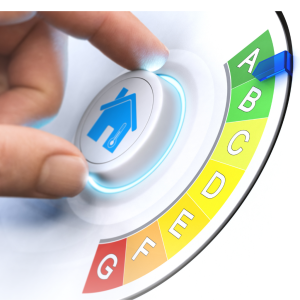
An Energy Performance Certificate (EPC) provides essential information about how energy-efficient your property is. It highlights the areas that could be improved and offers tips to help lower energy bills. In this guide, we will explain the key aspects of an EPC Survey to help you understand the details.
1. The EPC Rating
One of the main aspects of an EPC is the rating. This rating ranges from A to G, with A being the most energy-efficient. The rating is based on factors such as insulation, heating systems, and lighting. A higher rating means lower energy usage and reduced bills.
2. Energy Efficiency Score
The EPC will provide a score reflecting your property’s energy efficiency. This score shows how much energy the property uses to maintain a comfortable temperature. A higher score indicates a more efficient property, while a lower score points to potential areas for improvement.
3. Environmental Impact
The EPC also includes an environmental impact score. This score tells you how much carbon dioxide (CO2) your property emits. Properties with better energy efficiency tend to have a lower environmental impact, which is better for the planet.
4. Recommendations for Improvement
An EPC will include a list of recommended improvements. These suggestions focus on areas that could reduce energy usage and improve your rating. Recommendations may include installing better insulation, upgrading heating systems, or using energy-efficient appliances. These improvements can help lower energy costs in the long run.
5. Estimated Energy Costs
The certificate also provides an estimate of your property’s annual energy costs. This information helps you understand how much you are spending on heating, lighting, and hot water. By following the EPC’s recommendations, you can reduce these costs significantly.
6. Property Details
Your EPC will include basic details about your property, such as its size, age, and construction type. These details are important as they can affect energy efficiency. For example, older buildings may require more work to become energy-efficient.
Why is an EPC Important?
An EPC is required by law for anyone selling or renting a property. It helps potential buyers or tenants understand how much it will cost to run the property. A high EPC rating can make your property more attractive and could even increase its value.
How Can You Improve Your EPC?
Improving your EPC is a great way to save money and make your property more energy-efficient. Start by following the recommendations in the report. Simple upgrades like adding loft insulation or installing double glazing can have a significant impact on your rating.